Contents
Identifying the Source of the Leak
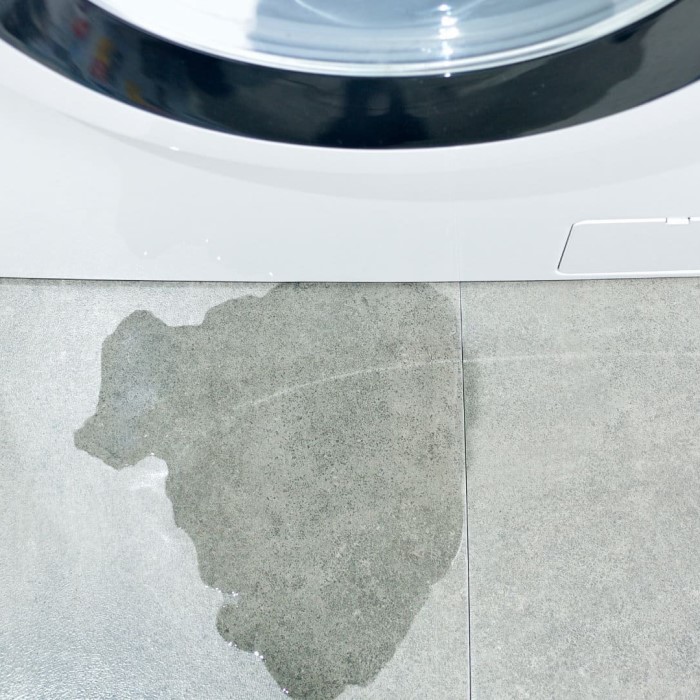
Discovering a puddle beneath your washing machine is certainly frustrating. Consequently, many homeowners immediately ask why would a washing machine leak from underneath. This specific question is the first step toward a solution. You must understand that the water comes from a few specific sources. It rarely appears by magic. Therefore, identifying the origin is crucial for the repair. First, do not panic. You need to act quickly to prevent water damage to your floors. Immediately turn off the power supply for safety. Then, turn off the water valves. This step stops the flow of water.
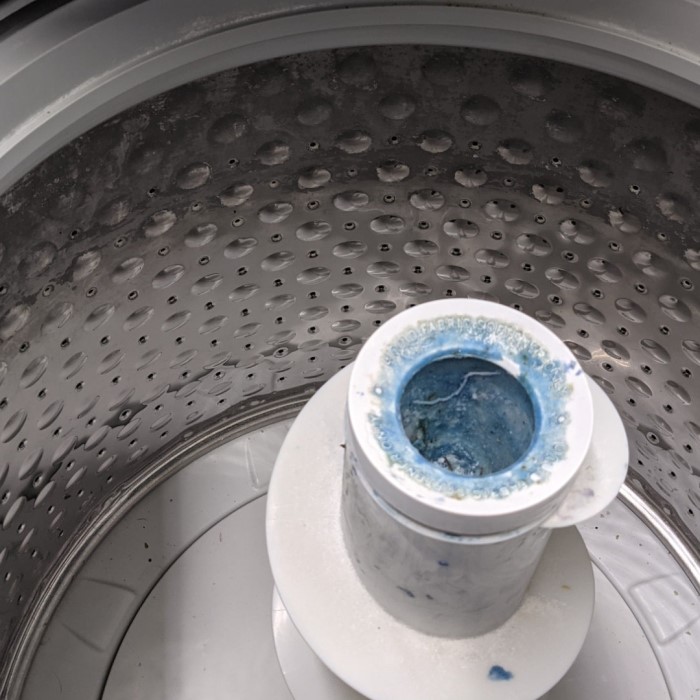
Furthermore, you must determine the color of the water. Clear water usually indicates a supply line issue. Conversely, dirty or soapy water suggests a drain or pump problem. This distinction saves you time during the diagnosis. You should also check if the leak happens during the fill cycle. Or, perhaps it happens during the drain cycle. Pinpointing the timing narrows down the potential culprits. For instance, a leak during the spin cycle points toward a tub seal failure. Therefore, observation is your most valuable tool.
In addition, you should inspect the surrounding area. Look for signs of mold or mildew. These signs indicate a long-standing issue. Sometimes, the leak is slow and intermittent. This makes it harder to spot. However, a thorough inspection reveals the truth. You might need to move the machine to see clearly. Ask for help to avoid injuring yourself. Once you move it, check the wall and floor. The path of the water often points back to the source. Thus, careful investigation is essential. It guides you to the next logical step.
Common Hose and Connection Failures
Why would a washing machine leak from underneath? The most frequent cause of leaks is often the simplest. Your washing machine relies on several hoses to function. These hoses carry water into the machine. They also carry water out. Consequently, a failure in any of these lines causes a leak. First, check the fill hoses. These connect the water supply valves to the machine. They are under constant pressure. Therefore, a small crack or loose connection sprays water. This water often pools underneath the unit. You should check the rubber washers inside the connectors. They degrade over time.
Furthermore, inspect the drain hose. This hose carries dirty water out of the machine. It does not hold pressure like the fill hoses. However, clogs can force water back up. If the hose is loose, water spills out. Sometimes, the hose cracks due to age. It becomes brittle and weak. Consequently, you must replace old hoses immediately. Stainless steel braided hoses are the best choice. They last longer than rubber ones. Thus, upgrading your hoses is a smart preventative measure.
In addition, internal hoses exist inside the cabinet. These connect the outer tub to the pump. You cannot see them from the outside. However, they also suffer from wear. A clamp might loosen over time. This allows water to seep out during cycles. To check these, you must remove the machine’s access panel. Look for signs of water trails. A flashlight helps you see into dark corners. Tightening a loose clamp often solves the problem. If the hose itself is split, you need a replacement. Therefore, check all hoses thoroughly before assuming the worst.
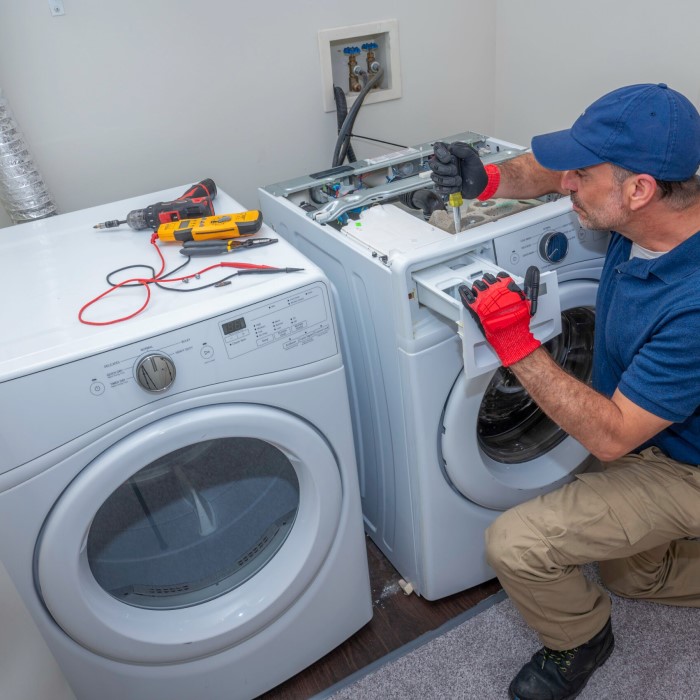
Door Seal and Gasket Issues in Front Loaders
Why would a washing machine leak from underneath? Front-loading washing machines are very popular. However, they have a unique weak point. This is the door boot seal. This rubber gasket creates a watertight seal around the door. Consequently, any damage here leads to a significant leak. You might ask, What could be leaking under my washing machine if it is a front loader? The answer is often the door gasket. Over time, this rubber collects hair and debris. These objects act as sandpaper. They wear tiny holes in the seal.
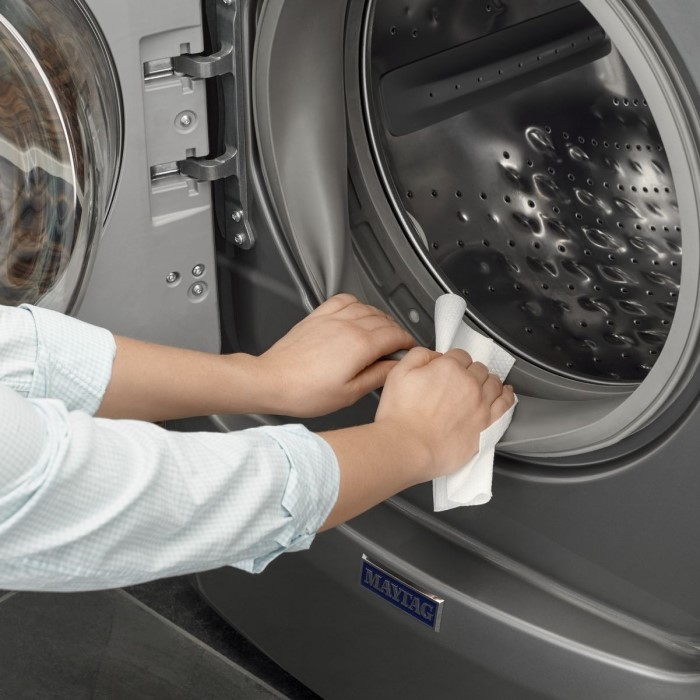
Furthermore, mold and mildew attack the rubber. This causes the material to degrade. You should inspect the seal carefully. Look for tears, holes, or excessive mold growth. Run your finger along the inner lip. You might feel a small tear that is invisible to the eye. Additionally, check the area where the seal attaches to the tub. Sometimes, the retaining ring loosens. This allows water to bypass the seal. Therefore, regular cleaning extends the life of this part. Wipe the seal dry after every wash.
In addition, check the door glass itself. A chip or crack in the glass prevents a tight seal. The glass must be smooth and intact. If the glass is damaged, water leaks from the front. It then runs down and pools underneath. Therefore, inspect the door assembly as a whole. Replacing a door seal is a moderate repair. You can do it yourself with basic tools. However, it requires patience and attention to detail. You must ensure the new seal sits perfectly flat. Otherwise, the leak will persist. Thus, the door seal is a critical checkpoint.
Drain Pump and Filter Malfunctions
The drain pump removes water from the machine. It is a vital component. Consequently, a failure here often leads to leakage. How do I stop my washing machine leaking from the bottom? You must inspect the pump. The pump sits at the bottom of the machine. It connects to the drain hose and the tub. Over time, objects can clog the pump. Coins and buttons are common culprits. These objects damage the pump’s seals. Therefore, water leaks from the pump’s housing.
Furthermore, most pumps have a filter or trap. This catches large debris. If this filter is loose or cracked, water leaks out. You should clean this filter regularly. It prevents clogs and bad odors. When you remove the filter, water will spill out. Therefore, have a shallow pan ready. Check the O-ring on the filter cap. If it is missing or damaged, the seal fails. This is a very common source of leaks. Consequently, checking the filter is easy and quick.
In addition, the pump body itself can crack. This usually happens if the pump freezes in a cold garage. Or, it might simply wear out. The bearings inside the pump can fail. This causes the pump to leak from the shaft. You will usually hear a grinding noise too. If the pump leaks from its center, you must replace it. It is difficult to repair a cracked pump. Therefore, replacement is the standard solution. A new pump restores the machine’s function. It stops the leak effectively. Thus, the drain pump requires careful attention.
Tub Seal and Bearing Problems
Why would a washing machine leak from underneath? The tub seal is a critical component. It keeps water inside the outer tub. The inner basket spins within this tub. Consequently, the seal must withstand constant movement. Eventually, this seal wears out. This allows water to travel down the shaft. It then leaks onto the floor. This type of leak is serious. It often appears during the spin cycle. You might also notice rust-colored water. This indicates that the bearings are also failing.
Furthermore, the bearings support the inner tub. When the tub seal fails, water reaches the bearings. The grease washes away. The bearings then rust and grind. This creates a loud roaring noise during the spin cycle. A leak combined with noise points to this specific issue. Therefore, address it immediately. Continuing to run the machine causes more damage. The inner tub could scrape against the outer tub. This destroys the machine.
In addition, repairing the tub seal and bearings is complex. It requires disassembling a large portion of the machine. You need special tools for the job. Many homeowners choose to hire a professional for this repair. However, the parts themselves are not expensive. It is the labor that takes time. You must weigh the cost of repair against the cost of a new machine. If your machine is old, replacement might be better. If it is relatively new, the repair is worth it. Thus, the tub seal is a major potential leak source.
Overloading and Detergent Issues
Why would a washing machine leak from underneath? Sometimes, the machine is not broken at all. Instead, user error causes the leak. Overloading is a primary culprit. When you stuff too many clothes in the tub, they cannot move freely. Consequently, water is pushed over the top of the tub. This happens in top-load machines. The water then runs down the outside. It pools underneath the cabinet. Therefore, always follow the load size recommendations. Leave space at the top of the tub.
Furthermore, using too much detergent causes issues. Modern high-efficiency machines use very little water. They also require special HE detergent. Using regular detergent creates too many suds. These suds expand and overflow. The machine cannot drain the suds fast enough. Consequently, water leaks from various seams. This looks like a mechanical failure. However, it is simply a usage error. Therefore, measure your detergent carefully. Do not guess the amount.
In addition, water pressure affects the machine. If your home has very high water pressure, it strains the valves. It can also cause the hose connections to spray. A pressure regulator can solve this. However, Is a small leak a big problem? Even a small leak from overloading can damage your floor over time. It promotes mold growth. It also ruins the subflooring. Thus, proper operation prevents leaks. You should educate everyone in the household. Ensure they know how to load the machine correctly.
The Importance of Timely Repairs
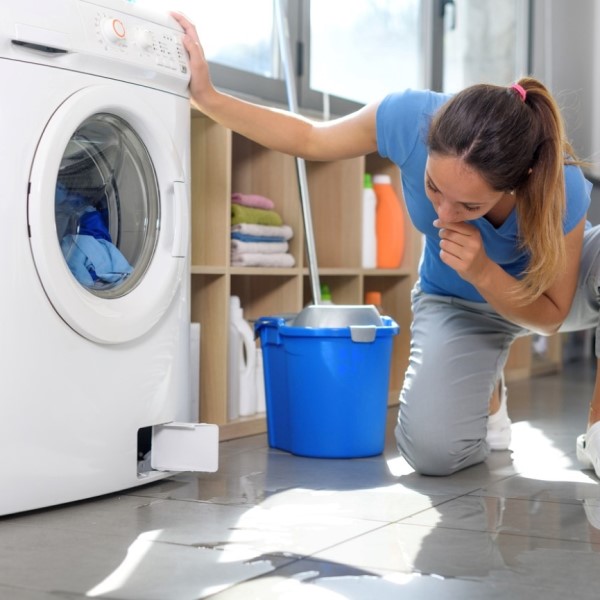
Ignoring a leak is never a good idea. Water damage spreads quickly. It ruins flooring and drywall. Consequently, a small repair bill becomes a major renovation cost. You must address the leak immediately. Do not wait for the weekend. If you spot water, act now. First, soak up the standing water. Use towels or a wet vacuum. This prevents the water from seeping deeper. Then, troubleshoot the cause. If you cannot fix it, call a professional.
Furthermore, electrical hazards are real. Water and electricity do not mix. A leak near the motor can cause a short circuit. This is dangerous for you and your family. Therefore, safety is the priority. Unplug the machine immediately. Do not touch any wet electrical components. A leak indicates that a part has failed. The machine is telling you it needs help. Listening to these signs saves money.
In addition, regular maintenance prevents leaks. You should inspect hoses every month. Look for bulges or cracks. Check the floor for dampness. Run a cleaning cycle to remove debris. This keeps the pump and seals healthy. What is the average lifespan of a washing machine? Typically, a washing machine lasts 10 to 14 years. However, neglect shortens this lifespan significantly. A well-maintained machine can last even longer. Therefore, treat your appliance with care. It will reward you with years of reliable service.
Conclusion
Finding a puddle on your laundry room floor is certainly stressful. However, you now have the knowledge to diagnose the problem. We have answered the pressing question: why would a washing machine leak from underneath. The cause could be as simple as a loose hose. Or, it might be a worn-out door seal. Perhaps it is a failing drain pump. By systematically checking these components, you can find the solution. Remember to prioritize safety first. Always unplug the machine before you start any work. Regular maintenance is the key to preventing future leaks. Inspect your hoses and clean your seals often. This simple routine saves you from costly repairs. A leaking washing machine is a hassle, but it is a solvable problem. Take action today to protect your home and your appliance.