Understanding the difference between romper and jumpsuit helps you make smarter clothing choices. Both are one-piece outfits that combine top and bottom. They offer comfort, style, and ease of wear. Yet, they serve different purposes and suit distinct body types and events.
While they look similar at first glance, the difference between romper and jumpsuit lies in length, structure, and seasonal use. One is often short and playful; the other is full-length and versatile. Knowing these distinctions ensures you pick the right piece for any occasion.
Contents
 Key Differences in Length and Silhouette
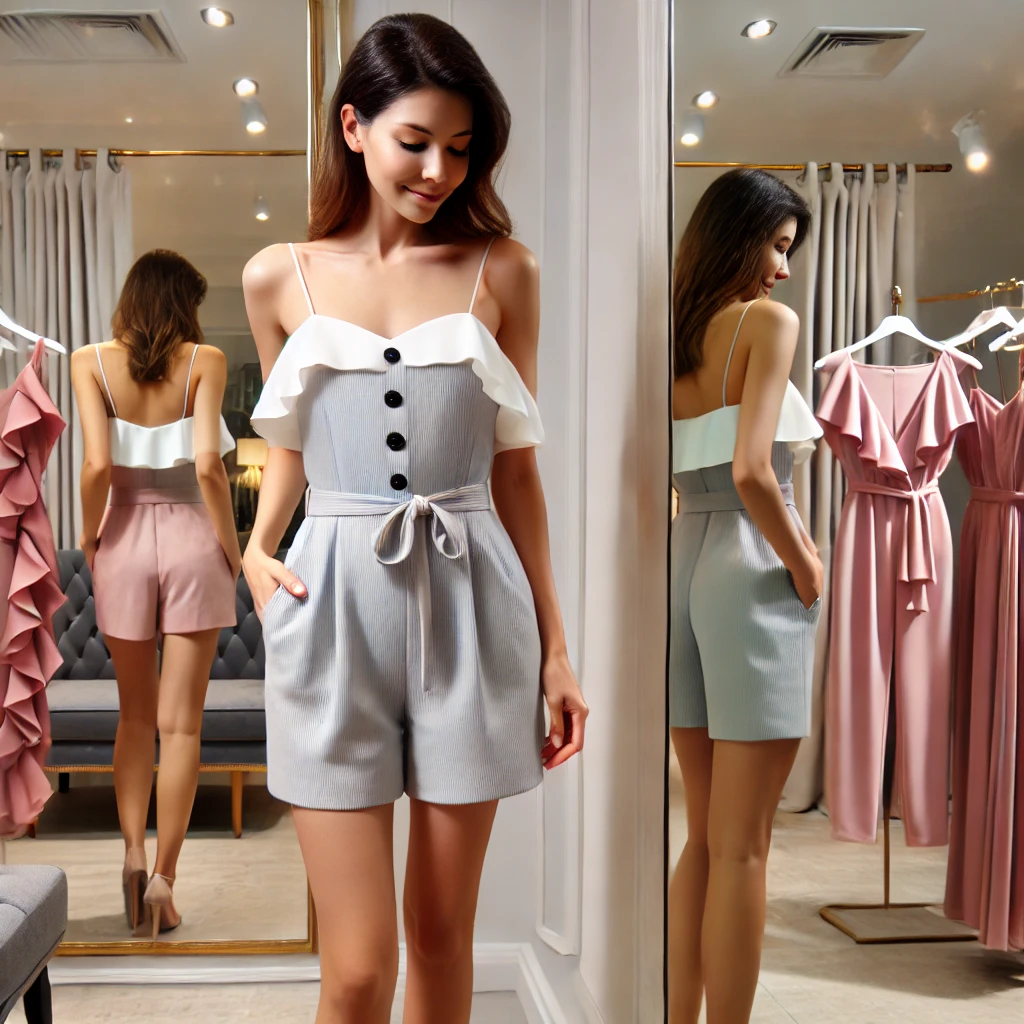
The most noticeable difference between romper and jumpsuit is length. Rompers end above the knee. They resemble shorts attached to a top. This gives them a breezy, casual look. As a result, they work best in warm weather.
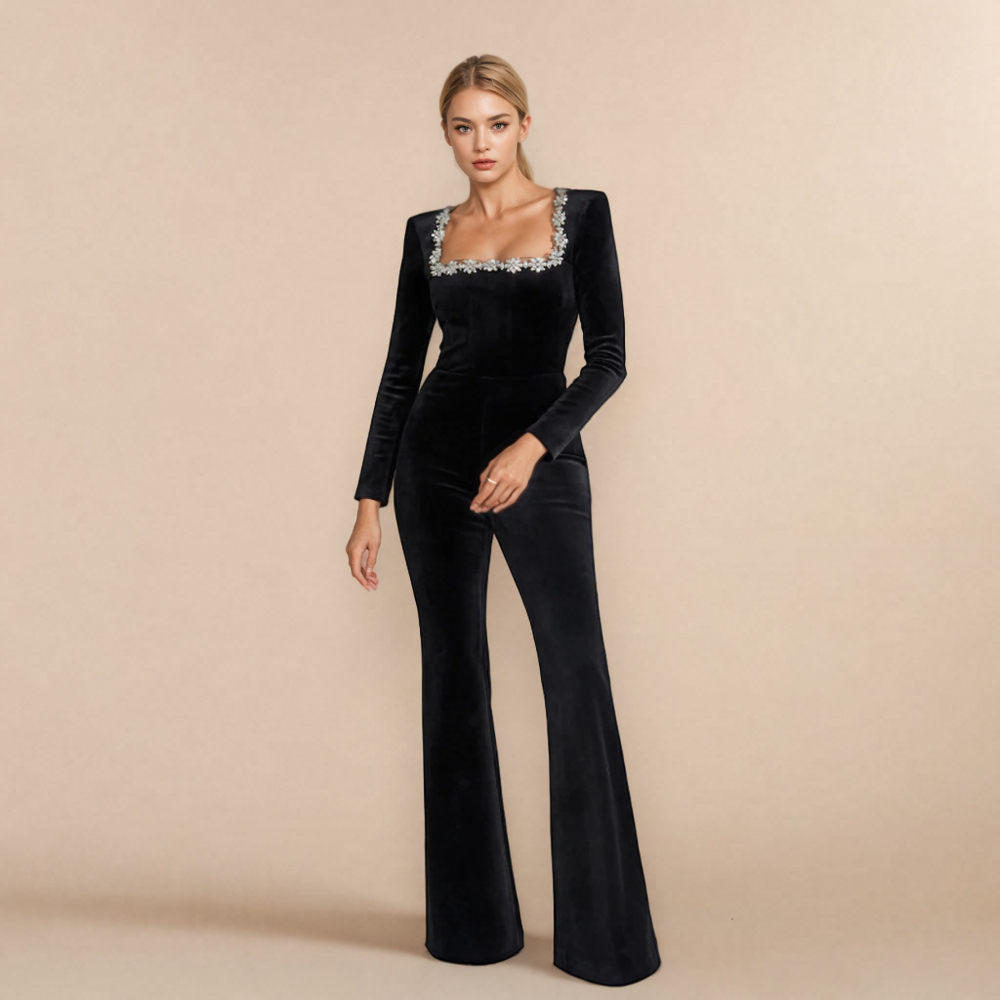
Jumpsuits, on the other hand, have full-length legs. They extend down to the ankle or calf. Some even feature wide-leg or tapered cuts. This makes them suitable for cooler months. They can also look more formal.
Silhouette plays a major role too. Rompers often have looser fits. They focus on comfort and playfulness. Many include ruffles, off-the-shoulder necklines, or smocked waists. These details enhance their fun, youthful vibe.
Jumpsuits offer more variety in shape. They come in slim, tailored, or oversized styles. Some mimic pantsuits for work settings. Others use flowing fabrics for evening wear. This adaptability increases their range.
The leg opening differs as well. Rompers have short inseams. Jumpsuits need longer crotch depth for movement. This affects how each piece drapes on the body.
Also, rompers expose more skin. This makes them ideal for beach cover-ups or outdoor parties. Jumpsuits cover more, offering modesty and warmth.
Ultimately, the difference between romper and jumpsuit becomes clear through visual and functional contrast. Length defines each garment’s purpose.
How Cut and Structure Affect Wearability
Cut and structure define how each outfit feels during wear. Rompers usually have simpler construction. They rely on stretchy fabrics like cotton or jersey. This allows easy movement and quick dressing.
Their waistlines are often elasticated. Smocking or shirring gathers the fabric. This creates a snug fit without zippers. However, it may dig in after sitting for long periods.
Many rompers lack pockets. Designers skip them to keep the look light. This limits functionality. You may need a small bag for essentials.
Jumpsuits have more complex patterns. They include zippers, buttons, or wrap closures. These allow secure fitting. Tailored versions use darts and seams for shaping.
Pockets are common in jumpsuits. Side, front, or back pockets add utility. This makes them ideal for daily wear. You can carry keys, phone, or wallet easily.
Full-length designs require better tailoring. Poorly fitted jumpsuits bunch at the crotch. They may pull at the shoulders. A well-cut piece drapes smoothly.
Ventilation matters too. Rompers breathe better in heat. Jumpsuits can feel warm unless made from linen or lightweight blends.
Adjustable straps appear in both. But jumpsuits often include belts or cinched waists. These define the silhouette. They create a more polished appearance.
With thoughtful design, each piece meets different needs. The difference between romper and jumpsuit becomes clear through structure and comfort.
 When to Wear a Romper vs a Jumpsuit
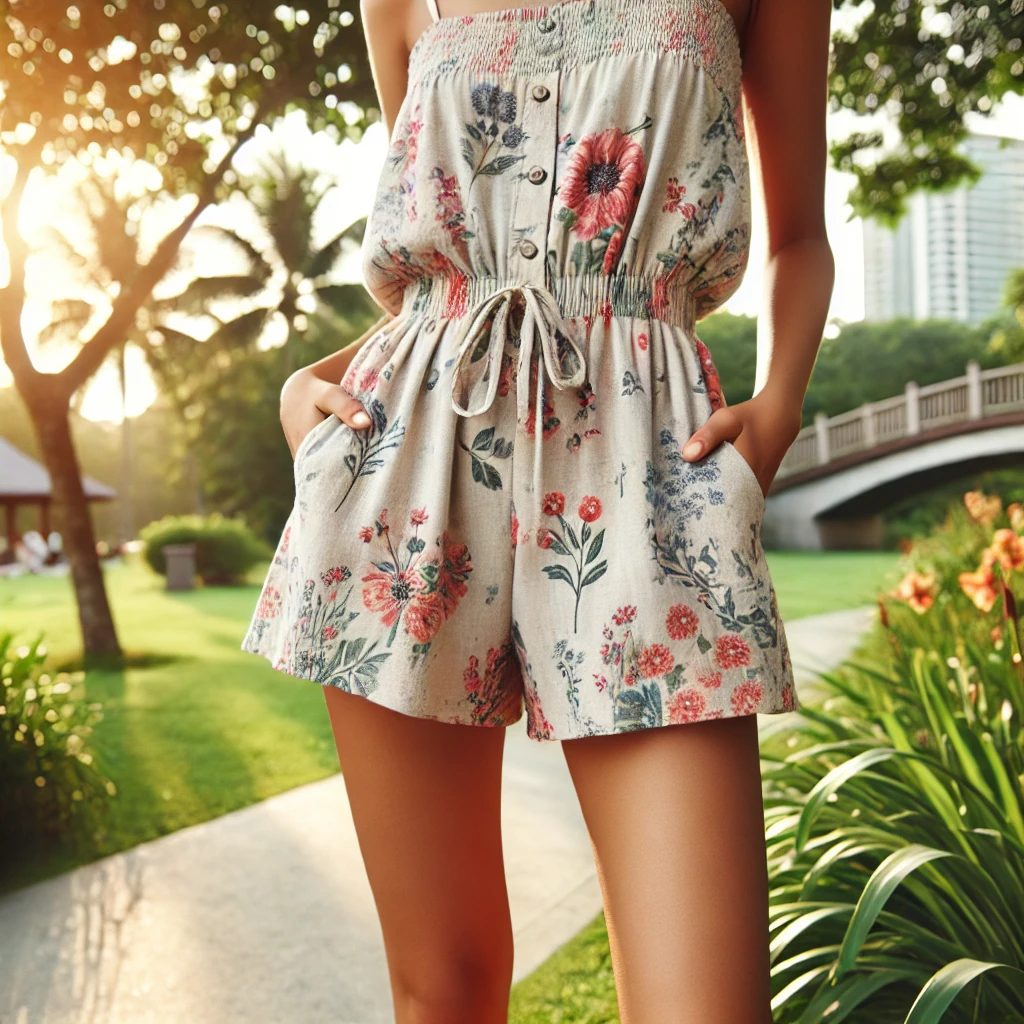
Choosing between romper and jumpsuit depends on the event. Rompers shine in casual or warm-weather settings. They work well for picnics, brunch, or beach outings. Their short legs keep you cool.
Summer festivals are perfect for rompers. Pair them with sandals and a sunhat. Bright prints or solid colors make a statement. You stay stylish without overheating.
Jumpsuits suit a wider range of occasions. You can wear them to work, dinner, or a wedding. Tailored cuts look professional. Flowy styles feel elegant.
For office wear, choose a jumpsuit in neutral tones. Pair it with a blazer and heels. You project confidence and polish. It replaces a dress or suit.
Evening events call for luxe fabrics. Silk, satin, or velvet jumpsuits stand out. Add statement jewelry and strappy sandals. The look feels red-carpet ready.
Rompers may feel too informal for these settings. They lack the coverage and structure. Most formal venues expect longer garments.
Cooler months favor jumpsuits. You can layer them with coats or boots. Rompers need tights or leggings. Even then, they may not provide enough warmth.
Travelers often pack jumpsuits. They look put-together with minimal effort. One piece replaces multiple clothing items. This saves space in your suitcase.
The difference between romper and jumpsuit includes context. Match each to the right setting.
Styling the Romper for Casual and Fun Looks
Rompers are ideal for relaxed, playful styling. Start with a basic cotton or chambray romper. These fabrics feel light and breathable. They suit hot days and outdoor activities.
Pair it with flat sandals or espadrilles. This keeps the look laid-back. Add a woven tote and oversized sunglasses. You complete the vacation-ready outfit.
For a boho vibe, choose floral prints or ruffled details. Layer with a long pendant necklace. Wrap bracelets add extra flair. This style works at music festivals or garden parties.
Denim rompers offer a retro feel. Wear them with white sneakers and a crossbody bag. This combo is great for shopping trips or casual meetups.
Tie-waist rompers create definition. They flatter hourglass figures. Avoid overly tight fits if you plan to sit often. Comfort matters during long wear.
Accessorize with fun hats. A floppy sunhat or bucket hat adds personality. It also protects you from UV rays.
Avoid formal shoes with rompers. Pumps or dressy heels may clash. Stick to sandals, mules, or casual flats.
Short rompers expose the legs. This highlights your footwear. Choose shoes that match the occasion.
Roll-up straps or knot details enhance fit. They allow adjustments for different body shapes. This improves both comfort and style.
With simple choices, rompers become a go-to for easy, cheerful outfits.
 Styling the Jumpsuit for Professional and Formal Events
Jumpsuits have evolved into wardrobe staples for formal and work settings. Their full-length design gives them a sophisticated edge. This makes them ideal for polished environments.
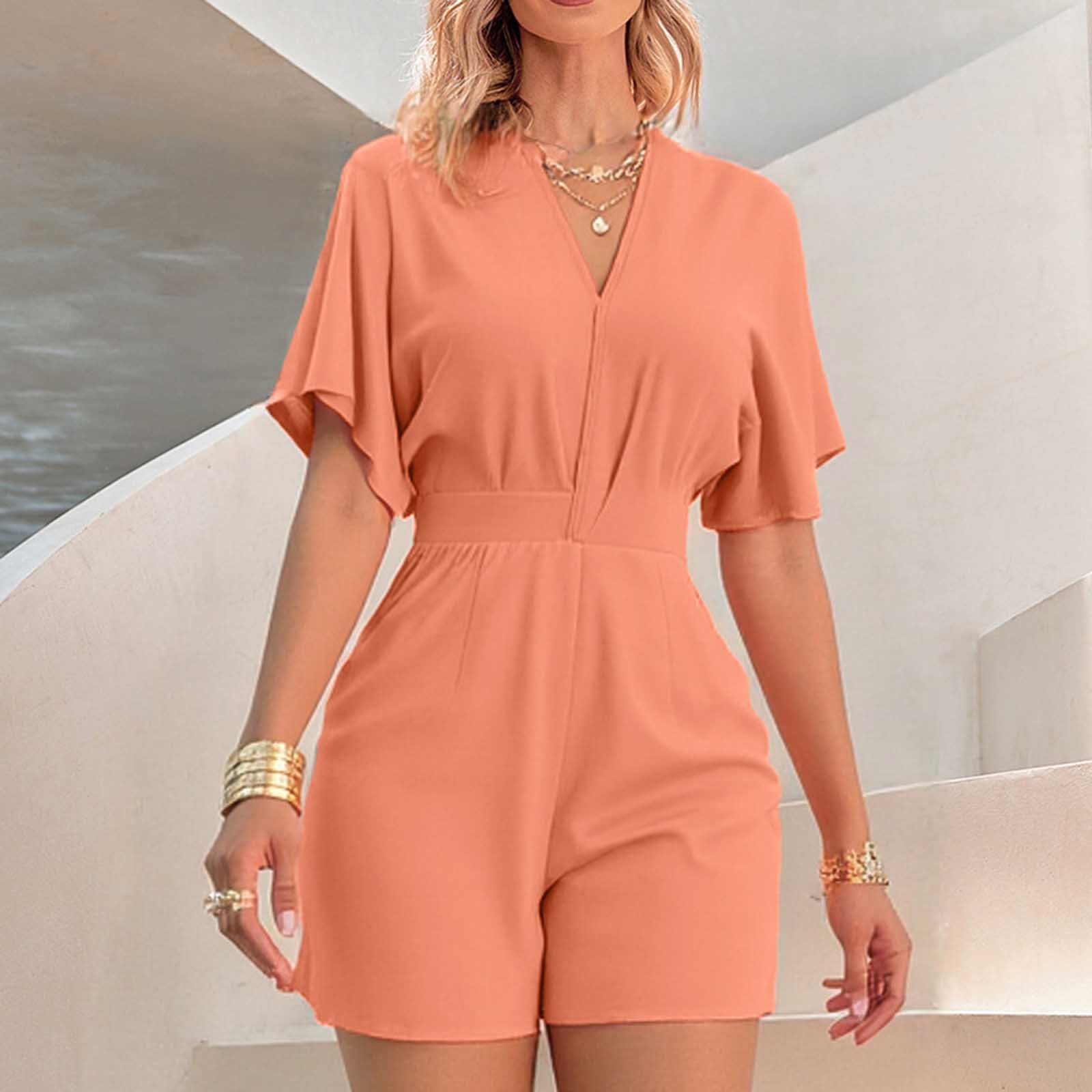
For the office, pick a tailored jumpsuit in black, navy, or gray. A V-neck or square neck adds elegance. Pair it with pointed-toe flats or low heels. This creates a sleek silhouette.
Add a structured blazer for meetings. It enhances authority and warmth. Choose matching or contrasting colors. This adds dimension without clutter.
Belts define the waist on loose cuts. A wide leather belt pulls the look together. It prevents the outfit from looking shapeless.
Evening events call for luxe details. Try a jumpsuit with a plunging neckline or open back. Velvet or satin finishes catch the light beautifully. Pair with metallic heels and a clutch.
Jewelry makes a difference. Long earrings or a bold cuff draw attention. Avoid over-accessorizing. Let the jumpsuit remain the focal point.
For weddings, avoid white unless you’re the bride. Choose jewel tones or soft pastels. This shows respect while staying stylish.
Footwear should match the formality. Strappy sandals elevate simple cuts. Block heels support long wear on uneven ground.
Jumpsuits with wide legs create drama. They flow with movement. Pair with a tucked-in camisole if needed. This prevents fabric from puffing.
With smart styling, the difference between romper and jumpsuit is clear. One is fun and casual. The other is serious and elegant.
How Fit Impacts Comfort and Appearance
Fit plays a crucial role in how both garments feel. Rompers must fit snugly at the waist. Too loose, and they look sloppy. Too tight, and they pinch during movement.
The crotch depth matters. Shallow cuts cause discomfort when sitting. Deep gussets allow better range. This increases all-day wearability.
Straps should stay in place. Adjustable ones offer better control. Spaghetti straps may slip on narrow shoulders. Wider straps provide more support.
Jumpsuits require more precise tailoring. The inseam must suit your height. Petite versions are shorter. Tall sizes include longer legs.
Waist definition improves appearance. Cinched styles flatter hourglass and pear shapes. Straight cuts suit athletic builds.
Zippers must glide smoothly. Stuck zippers ruin an outfit quickly. Check them before buying. Quality hardware lasts longer.
Stretch fabric helps with fit. Elastane blends move with your body. This reduces pulling at the seams.
Try both garments on before purchase. Online images can be misleading. Movement tests fit better than static poses.
Tailoring services can adjust jumpsuits. Hemming legs or taking in the waist improves fit. Rompers are harder to alter due to their short length.
Good fit enhances confidence. You move freely and feel put-together. This makes a big difference in daily wear.
 Fabric Choices That Define Use and Season
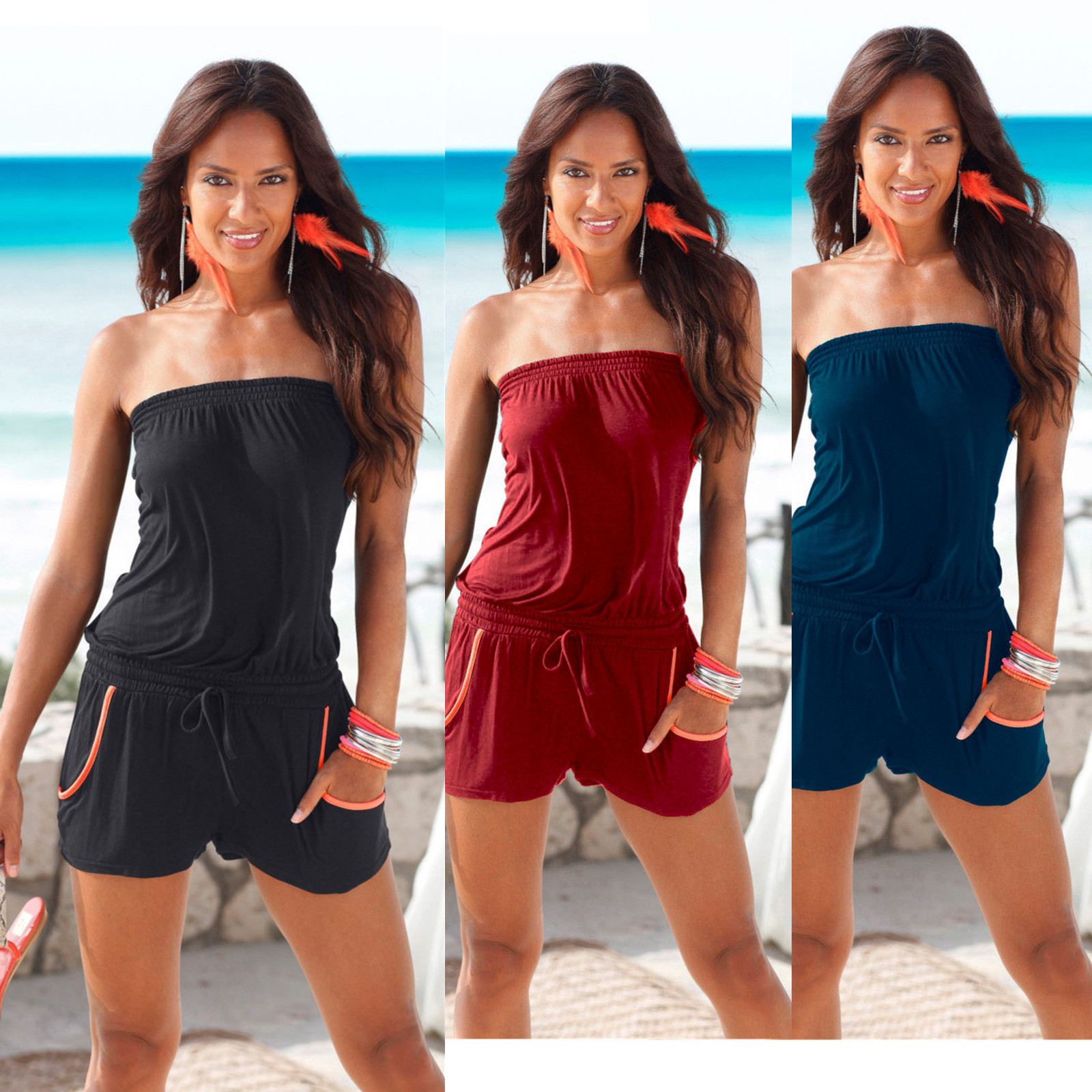
Fabric determines where and when you wear each piece. Rompers often use cotton, jersey, or linen. These are light and breathable. They suit spring and summer.
Cotton rompers absorb sweat. They feel soft against the skin. However, they wrinkle easily. Linen offers similar benefits with a crisp texture.
Synthetic blends add durability. Polyester-spandex mixes hold their shape. They resist shrinking after washes. These are ideal for travel.
Jumpsuits use a wider range of materials. Wool blends work in winter. They provide warmth without bulk. Tweed or corduroy adds texture.
Silk and satin appear in formal jumpsuits. These fabrics drape elegantly. They feel luxurious but need delicate care.
Denim jumpsuits are durable and casual. They resemble overalls. Pair with boots for a rugged look. Great for weekend errands or outdoor markets.
Lightweight rayon or viscose mimics silk. They flow well and resist wrinkles. Ideal for travel or humid climates.
Thicker knits appear in cold-weather jumpsuits. Turtleneck versions keep you warm. Layer with a coat for extra protection.
Some fabrics combine style and function. Moisture-wicking materials suit active wear. UV-protective weaves help at the beach.
Always check care labels. Machine-washable fabrics save time. Dry-clean-only options require more effort.
The difference between romper and jumpsuit includes material use. Each adapts to seasonal needs.
Seasonal and Climate Considerations
Climate plays a big role in choosing between romper and jumpsuit. In hot regions, rompers are go-to items. They keep you cool and comfortable. Lightweight cotton or linen works best.
Humid areas benefit from breathable fabrics. Rompers allow airflow. Avoid synthetic materials that trap sweat. They can cause chafing or odor.
Jumpsuits suit cooler climates. Long legs provide coverage. Linen or rayon versions work in mild weather. Wool or fleece-lined styles handle winter.
Layering increases jumpsuit usability. Add a sweater or jacket on top. Wear tights or leggings underneath. This extends wear into fall and spring.
Rompers need layering too. Pair them with a denim jacket or cardigan. Add leggings if temperatures drop. However, they may look unbalanced.
Rainy climates pose challenges. Rompers expose more skin. Water runs down the legs. Jumpsuits offer better protection. They keep more of your body dry.
Wind affects both. Loose jumpsuits may flap. Rompers can ride up. Choose fitted cuts in breezy areas.
Sun exposure is higher in summer. Rompers expose shoulders and legs. Use sunscreen or wear a cover-up. Jumpsuits offer more natural UV protection.
Cold weather limits romper use. They rarely appear in winter collections. Jumpsuits dominate colder months. Designers focus on warmth and coverage.
Travelers must consider destination climate. Pack jumpsuits for variable weather. Rompers work best in tropical or warm zones.
The difference between romper and jumpsuit includes adaptability. Each serves different weather needs.
Frequently Asked Questions
Can I wear a romper to work?
Only if the dress code is very casual. Most offices prefer jumpsuits for professionalism.
Are jumpsuits flattering for all body types?
Yes. Choose the right cut. Hourglass figures suit belted styles. Tall frames look great in wide-leg versions.
Do rompers have pockets?
Rarely. Most skip pockets for a clean look. Jumpsuits include them more often.
Can I wear a jumpsuit to a wedding?
Yes. Pick formal fabrics like silk or lace. Avoid white unless you’re the bride.
Are rompers only for summer?
Most are. But some long-sleeve versions work in spring or fall. Layer for warmth.
Can petite women wear jumpsuits?
Absolutely. Choose cropped or high-waisted styles. They create the illusion of height.
How do I accessorize a romper?
Keep it light. Add sandals, a sunhat, and simple jewelry. Avoid heavy pieces.
Is a jumpsuit easier to wear than a dress?
For some. It combines top and bottom. No hemline shifting. But zippers may be tricky.
 Final Thoughts
Understanding the difference between romper and jumpsuit helps you build a smarter wardrobe. Each has unique strengths. Rompers offer fun, breezy comfort. Jumpsuits deliver versatility and polish.
From fabric to fit, occasion to climate, each choice matters. Rompers shine in summer and casual settings. Jumpsuits adapt to work, travel, and formal events.
Knowing when to wear each ensures confidence and comfort. You avoid fashion missteps. Your outfits feel intentional and stylish.
The difference between romper and jumpsuit goes beyond length. It includes structure, function, and purpose. With this knowledge, you make empowered choices.
Make both pieces part of your closet. Use them wisely. Your style will reflect both ease and elegance.